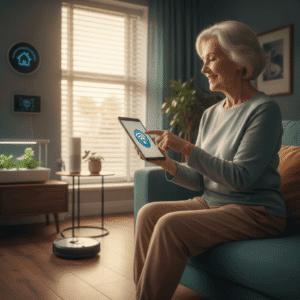
Smart Solutions to Protect Older Adults

Keeping older adults safe and independent matters more with each passing year. Technology made huge leaps, bringing cool gadgets and smart tools that help seniors stay secure at home and while walking around their neighborhood. Safety for older people isn’t just about health—it’s a clever mix of new devices, staying connected with the community, and smart daily habits. Picture a world where a simple sensor or a friendly neighbor could change everything. People helping aging loved ones or working in senior care gain the most from these ideas. Read on to uncover surprising secrets that make life safer and more vibrant for older adults.
Implementing effective safety measures can significantly reduce risks associated with falls, medical emergencies, scams, and other hazards that seniors often face. The good news is that you don’t need to overhaul your current setup—small changes and smart investments can make a meaningful difference. In this guide, we will explore various solutions tailored to safeguard older adults, promote their independence, and provide peace of mind for families and caregivers.
Understanding the Unique Safety Needs of Older Adults
Every individual’s safety requirements vary based on health status, mobility, living arrangements, and personal preferences. Recognizing these differences is essential to selecting appropriate protections. Common concerns for older adults include fall prevention, medical emergencies, cognitive decline, and potential scams or financial abuse.
Assessing these needs involves conversations with the seniors themselves, healthcare professionals, and caregivers. An honest evaluation helps in crafting a personalized safety plan. For example, a senior with mobility challenges might benefit from grab bars and non-slip flooring, whereas someone experiencing memory issues may require medication management tools and supervision. By understanding specific vulnerabilities, you can prioritize solutions that provide the most value.
Home Safety Enhancements for Older Adults
Creating a Safer Living Environment
- Remove trip hazards: Clear walkways of clutter, secure loose rugs, and install non-slip mats in the bathroom and kitchen.
- Improve lighting: Ensure that all areas are well-lit to prevent falls, especially at night. Motion sensor lights are an excellent option.
- Install grab bars and handrails: Placing these in key areas such as bathrooms and staircases provides extra support.
- Use safety locks and alarms: Secure windows and doors, and consider installing contact sensors on entry points to alert when accessed unexpectedly.
- Update electrical systems: Ensure outlets and wiring are up to date to prevent fire hazards.
Leveraging Technology for Elderly Safety
Technology plays a crucial role in modern safety strategies. From wearable devices to smart home systems, innovations are making it easier to monitor and respond to emergencies.
Wearable Devices and Medical Alert Systems
- Devices like smartwatches or pendants equipped with GPS and fall detection can alert caregivers immediately if an emergency occurs.
- Many systems connect directly to emergency services, providing rapid assistance without delay.
- Some wearables also allow for regular health monitoring, such as heart rate and activity levels, which can flag potential issues early.
Smart Home Devices and Automation
- Voice-activated assistants enable seniors to call for help, control lights, or adjust thermostats without physical effort.
- Security cameras and motion detectors provide real-time visibility and alerts to caregivers about unusual activity.
- Automated systems can remind seniors to take medications or attend appointments, reducing forgotten doses or missed engagements.
Community Resources and Support Networks
Beyond technology, engaging with community programs can significantly enhance safety. Local agencies often provide home modification grants, transportation services, and emergency response teams that cater specifically to older adults.
Building a strong social network helps prevent isolation, which can lead to unnoticed medical issues or emergencies. Regular check-ins by family, friends, or volunteer visitors create a safety net. Additionally, neighborhood watch groups or senior centers often facilitate programs that promote safety awareness and collective vigilance.
Financial and Personal Safety Strategies
Financial scams pose a serious threat to older adults, who may be targeted by fraudsters exploiting trust or lack of familiarity with digital security. Educating seniors on common scams, such as phishing emails or fake telemarketing calls, can prevent financial loss.
Practical steps include setting up strong, unique passwords for online accounts, enabling two-factor authentication, and regularly reviewing bank statements for suspicious activity. For personal safety, encourage seniors to carry emergency contact information and to share their whereabouts with trusted individuals.
Legal and Medical Preparedness
Preparing legal documents like durable power of attorney, healthcare directives, and living wills ensures that seniors’ wishes are respected and decisions are made by trusted individuals if they become unable to communicate. Additionally, maintaining up-to-date medical records and medication lists simplifies emergency responses and healthcare management.
Consulting healthcare professionals to develop personalized emergency plans and safety routines can also enhance preparedness. Proactive medical management reduces risks associated with chronic conditions and medication interactions.
Taking Action: Building a Safer Future for Your Loved Ones
Creating a safe environment for older adults requires a combination of awareness, practical adjustments, and embracing new technologies. It’s important to involve seniors in the safety planning process, respecting their independence while addressing potential risks. Regular assessments and updates to safety measures ensure ongoing protection as needs evolve.
By investing in safety solutions and fostering supportive community ties, families and caregivers can help older adults live with confidence and dignity. Recognizing that safety is an ongoing journey, not a one-time fix, encourages a proactive approach that keeps seniors protected and connected.
Remember, taking the first step towards safety can be as simple as reviewing your current environment and exploring new tools that fit your loved one’s needs. For comprehensive guidance on safeguarding seniors, you might consider consulting the senior safety guide, which offers valuable insights into effective safety practices and resources.